

Final Best Interest Decision – MHT 9101091
Competitive Timber Sale – Hollis, Alaska, MH Parcel CRM-7061
- Executive Summary. The Trust Land Office (TLO) intends to dispose of the economic timber, an estimated 20 million board feet, through a competitive sale. The TLO issued a preliminary decision for this use on June 11, 2026, and provided public notice of that decision from June 11, 2026, through July 13, 2026. The TLO received public comments on the proposed competitive timber sale during that public notice period. The Executive Director reviewed and considered the comments received and determined that no changes to the proposed competitive timber sale or preliminary decision are necessary. The TLO’s Executive Director issues this final decision approving the proposed competitive timber sale.
- Applicant/File #. MHT 9101091
- Proposed Use of Trust Land. Disposal of the economic timber, an estimated 20 million board feet (20 MMBF), through a competitive sale. These lands were acquired from the United States Forest Service (USFS) as authorized by the Alaska Mental Health Trust Land Exchange Act of 2017 for the purpose of timber harvest, development, and maximization of revenue.
-
Subject Property.
- Legal Description. Copper River Meridian, Township 73 S, Range 84 E, Sec. 14, lots 1 to 5 inclusive: Sec. 15 lot 1; Sec. 22, lot 1; Sec. 23, lots 1 and 2; Sec. 24, lot 1; Sec. 25, lot, 2; Sec. 26 lot 2; Containing 1,438 acres. Patent # 50-2021-0081. See Exhibit 1 – Map.
- Settlement Parcel Number. CRM-7061
- Site Characteristics/Primary Resource Values. The parcel is north of the community of Hollis and occupies land on a hillside from sea-level, the western shores of Twelve-mile Arm, to 1,500 feet in elevation. The parcel has approximately one and a half (1.5) miles of saltwater frontage along Twelve-Mile Arm. The western boundary of the parcel skirts sparsely vegetated alpine terrain with the northern portion of the parcel encompassing Wolf Lake (about 100 acres in size). Wolf Creek meanders through the parcel from Wolf Lake in a SE direction for about one and one-half miles to the saltwater. Wolf Creek Boatworks is located at the confluence of Wolf Creek and the saltwater and is the only developed area of the parcel. The Wolf Creek Boatworks is about three and a half acres in size and is partially situated on State tidelands. Overall, the parcel is generally an old growth forested hillside composed of Western Hemlock, Red and Yellow Cedar, and Sitka Spruce. Twenty-nine acres was previously harvested by “A Frame” logging approximately 65 – 70 years ago. The parcel lies between two existing harvest units – Sealaska Corporation to the northeast (harvested in 1990’s) and State of Alaska to the south (harvested in 2017). There have been selective harvests conducted along the beaches, as well as other selective harvest areas. An appraisal was conducted for the Alaska Mental Health Trust (Trust) Land Exchange which found the highest and best use of this parcel as timberlands.
- Historical and Existing Uses of the Property. These lands were in federal ownership until the Trust acquired the property on August 30, 2021. The Hollis area was the first remote logging camp operated by Ketchikan Pulp Company in the 1950’s. This region has had timber harvests conducted for over 100 years. In 1996, Alaska Power and Telephone (AP&T) filed for a FERC license for Wolf Lake Hydroelectric Project (11508-000-AK). AP&T also filed for a USACE permit for a transmission line and access road corridor to support the proposed Wolf Creek Hydroelectric Project. Presently, this project is in a suspended status. A portion of Wolf Creek Boatworks’ improvements are located on this parcel as well as the state’s adjacent tidelands. The Boatworks’ improvements were constructed in the 1930’s under a USFS special use permit. In 2015, USFS issued its final permit authorizing the federal lands to continue to be used for the Boatworks. Since 2015, there has been no land use authorization – issued by USFS or the Trust – allowing the Boatworks improvements to remain on these lands. The Boatworks use of State tidelands has never been authorized by DNR. The TLO understands that as of April 2025 the Organized Village of Kasaan holds an interest in the Boatworks improvements. In the past, the TLO has offered the Boatworks a land use authorization for up to 5 acres of land (mirroring the last federal land use permit they held and that expired in December 2015) with the intent that Boatworks could purchase those lands in the future. To date, the parties have not reached an agreement. Lastly, in 2025, approximately five acres of trust uplands that contain the Boatworks improvements were recognized to constitute a Historic District and were included in the National Historic Register.
- Adjacent Land Use Trends. The area around the parcel is primarily undeveloped. Sealaska Corporation timberlands are northeast of the parcel and were harvested in the 1990’s; to the south is State of Alaska lands harvested in 2017. There are State of Alaska subdivisions along the coast of Twelve-Mile Arm, these lots abut the previously harvested State lands. Many of these lots are in private ownership. Lands to the north and west are in USFS ownership. The USFS land to the northeast includes the Karta River Wilderness.
- Previous State Plans/Classifications. On August 30, 2021, the land in question was conveyed by USFS to the Alaska Mental Health Trust. The 2008 Prince of Wales Island Area Plan addresses the State Lands adjacent to this land. Available at: https://dnr.alaska.gov/mlw/planning/areaplans/wales/ (accessed on May 20, 2026).
- Existing Plans Affecting the Subject Parcel. None.
- Apparent Highest and Best Use. The current apparent highest and best use of this parcel is for timber development.
- Proposal Background. The TLO has engaged in the sale of timber as a major contributor to its revenue portfolio. The proposed timber sale will dispose of commercially viable timber on lands acquired by the aforementioned land exchange with the USFS near Hollis. The proposed timber sale is the result of both State of Alaska (SB 88) and Federal (S.131) legislation passed in 2017 approving the exchange. The land exchange was supported by the City of Craig, State Legislators, the Alaska Congressional Delegation, Tongass Futures Roundtable, and a number of other organizations. In early 2022, the TLO – consistent with AS 37.14.009(a)(2)(C) consulted with the Trust board on this timber sale as a negotiated sale for a fixed stumpage amount with an anticipated return of up to $2.7 million; the anticipated return was based on an appraisal completed during the USFS-AMHTA land exchange. In 2022, the TLO issued a best interest decision consistent with that consultation. For the following reasons, this proposed timber sale is being adjusted to better serve the Trust beneficiaries: market increases (especially for Western Red Cedar); competitive interest in the sale; and the TLO’s increased knowledge and expertise with various species sale prices. There are approximately 800 acres of old growth timber deemed economic in the timber cruise and approximately 29 acres of 65–70-year-old second growth timber which is of harvestable size. Additional logging units may be added within this area if field work determines that additional areas are able to be economically harvested.
-
Authorities. The following authorities guide the Executive Director’s final decision:
- Applicable Authority. AS 37.14.009(a), AS 38.05.801, and 11 AAC 99 (key statutes and regulations applicable to Trust land management and disposal). In accordance with AS 38.05.801 et seq. and the implementing regulations governing Alaska Mental Health Trust (“Trust”) land management (11 AAC 99), Trust land shall be managed consistently with the responsibilities accepted by the State under the Alaska Mental Health Enabling Act (P.L. 84-830, 70 Stat. 709 (1956)). This means that management shall be conducted solely in the best interest of the Trust and its beneficiaries. In determining the best interest of the Trust and its beneficiaries, and in determining consistency between state law and the Alaska Mental Health Enabling Act, the Executive Director of the Alaska Mental Health Trust Land Office (“TLO”) shall, at a minimum, consider the following interactive Trust management principles in accordance with 11 AAC 99.020:
- Maximization of long-term revenue from Trust land;
- Protection of the corpus;
- Protection and enhancement of the long-term productivity of Trust land;
- Encouragement of a diversity of revenue-producing uses of Trust land; and
- Management of Trust land prudently, efficiently, and with accountability to the Trust and its beneficiaries.
- Inconsistency Determination. As the proposed Trust timber disposal is specifically authorized under 11 AAC 99, any relevant provision of law applicable to other state lands is inapplicable to this action if it is inconsistent with Trust responsibilities accepted by the State under the Alaska Mental Health Enabling Act (P.L. 84-830, 70 Stat. 709 (1956)) as clarified by AS 38.05.801 and Alaska Mental Health Trust land regulations (11 AAC 99). 11 AAC 99 provides that certain State statutes applicable to other State land do not apply to Trust land unless determined by the Executive Director, on a case-by-case basis, to be consistent with 11 AAC 99.020 and the Enabling Act.
- Terms, Conditions, and Stipulations. Trust timber disposal and the accompanying road construction will be conducted under conditions that reflect the fair market value. The resulting sale contract will be substantially the same as those used by the TLO for other large timber harvest operations, with revisions recommended, as necessary, by the TLO contract administrator and the Department of Law. The sale will now be a competitive sale, based on scaled volumes with payments structured around the amount of harvest of specific species and a price/MBF. This adjustment is expected to exceed the initial 2022 appraised value of $2.7 million and provide a more transparent profit share agreement.
Below is an outline of the competitive timber sale process after this final best interest decision is issued:
-
Invitation for Proposals for Timber SaleThe TLO will issue an invitation for proposals for a timber sale inviting interested contractors to propose terms for the sale.After the invitation period has ended, the TLO will select a proposal, and a harvest market agreement timber sale contract (see exhibit 2 for sample contract) will be issued to the winning proposal and deliverables such as insurance and bonding will be collected.
-
Timber Sale Layout and Harvest
- Timber sale layout will be conducted by the Trust Land Office professional Forester in consultation and conjunction with other professional foresters, ADF&G habitat biologist and employing other professional disciplines where needed.
- A thorough layout procedure will be conducted on the ground identifying what and where all resource and cultural items requiring protection, forest engineering topic are located and mitigated with the timber harvest layout to the extent required and practical. This could include eliminating from timber harvest unit, buffering, changing boundary or road location, etc.
- Once this is completed it will be mapped and then submitted to the State of Alaska for the Forest Practices DPO review process where agencies will address any concerns and issues with BMPs and state laws.
- The TLO Forester will then make any changes and/or corrections in the timber sale layout before a final harvest plan is created for timber harvest.
-
Timber Sale Layout and Harvest
- Resource Management Considerations. The proposal is consistent with the TLO’s adopted Resource Management Strategy (RMS) (adopted October 2021), which emphasizes disposal of Trust assets at the high end of their market values; in a manner that maximizes revenues to the Trust at prudent levels of risk. Although the timber market has fluctuated, the duration of this sale is expected to span the time to capture higher market values and the sale terms designed to benefit the Trust in improved markets. Consistent with regulation, 85% of Trust timber receipts are placed into the principal account (corpus) of the Trust, while 15% is classified as income. Given the likelihood of diminishing values for Trust timber over time, near term sales will result in higher annual interest distribution from the Trust’s investment of principal than would be the case if timber sales occurred over a longer time frame. Timber, as a renewable resource, is expected to regenerate after harvest for potential future timber harvests. Appropriate management of these lands combined with other lands acquired through the land exchange can lead to sustained yield of timber in the future. Commercial harvest of the timber will, in some cases, facilitate other commercial opportunities on the lands post-harvest, such as subdivision development.
-
Risk Management Considerations.
- Performance Risks. Performance risks will be minimized through professional sale designs. The timber sale process will minimize the risk of having the timber being purchased at below market values or by a person or entity that does not have the demonstrated ability to perform under the contract, and by strict enforcement of the timber sale contract.
- Environmental Risks. The proposed timber sales will not result in significant environmental risks to the Trust. Timber sale operations are governed by State and Federal regulations, as well as contract provisions requiring strict compliance with the Alaska Forest Resources and Practices Act (FRPA) – AS 41.17.010 – .955 – to minimize the risk of environmental impacts to air, fish, and wildlife. Regular inspections are completed by the State of Alaska Division of Forestry. Detailed Plans of Operations for harvest units are reviewed by the State of Alaska Division of Forestry, Department of Environmental Conservation, and Department of Fish & Game. The contract will be strictly enforced.
- Public Concerns. Comments were received in opposition and support during the public notice. (See Section XIII. Public Comments and Responses)
-
Due Diligence.
- Site Inspection. TLO Staff have inspected the parcels in the past and are generally familiar with the Trust parcels affected by this decision. TLO Staff would inspect the activity periodically throughout the life of this authorization.
- Valuation. Valuation will be estimated based on present market values/conditions from current TLO timber sales; comparisons to past sales conducted by the TLO, Alaska Division of Forestry, University, and USFS; and appraisal data from the USFS land exchange. This collective data will be used to determine fair market value and minimum stumpage pricing in the invitation for proposals. This method has been used to determine the minimum sale price on numerous past sales.
- Terms and Conditions Review. Timber purchase and sale agreements will be similar to those used by the TLO for other large timber harvest operations, with revisions recommended, as necessary, by the TLO and the Department of Law.
- Trust Authority Consultation. Consistent with 11 AAC 99.030(d), on May 11, 2026, the Executive Director consulted with the Alaska Mental Health Trust Resource Management Committee. The Committee recommended that the proposed transaction be forwarded to the Alaska Mental Health Trust board of trustees. On May 20, 2026, the board of trustees concurred with the timber sale passing the following motion:
“The Alaska Mental Health Trust Authority board of trustees concur with the decision to dispose of the economic timber on Trust parcel CRM-7061 through a competitive sale.”
- Public Notice. The TLO satisfied 11 AAC 99.050 and the Alaska Constitution’s notice requirements by providing public notice as follows:
- in “a newspaper or other publication of general circulation” when it published notice of this decision in the Ketchikan Daily News on June 11, 2026.
- to the “appropriate municipality” and to “the appropriate Alaska Native regional nonprofit corporation;” on June 11, 2026, via email; and
- posted on the Alaska Online Public Notice website from June 11, 2026, through July 13, 2026.
11 AAC 99.050 provides a process to provide the public with adequate notice so they can engage in this process and comment on the proposed timber sale. The TLO satisfied 11 AAC 99.050 and there was public engagement in this matter.
The comments received during the public notice period are addressed in the following section.
Public Comments and Responses. A total of 106 comments were received during the notice period that began on June 11, 2026. Ninety-one of those comments were relatively similar and had the same subject line “I am writing to you today to comment on the Wolf Creek Boatworks Timber Sale.” These 91 comments were submitted by people ranging from Ketchikan, Alaska to San Diego, California to Pittsburgh, Pennsylvania to Delaware, Ohio. Of the remaining fifteen comments, the longest comments were submitted by Central Council of the Tlingit and Haida Indian Tribes of Alaska, Southeast Alaska Conservation Council, and Organized Village of Kasaan. The TLO received four comments supporting the proposed timber sale.
The comments have been organized by topic and are summarized and addressed below.
Comment Topic 1: Historic Preservation
The Wolf Creek Boatworks Historic District is central to public concern. Commenters emphasized that this nationally recognized site, listed on the National Register of Historic Places, derives its significance not only from its structures but from the intact forested watershed, hydrology, trails, and cultural landscape that surround it. Many stressed that the historic district’s “feeling, setting, and association” — key National Register criteria — would be irreversibly weakened by clear‑cutting adjacent slopes. Tribal governments, preservation organizations, and residents noted that adjacency impacts constitute an adverse effect on the historic site regardless of whether cutting occurs outside formal boundaries. Commenters referenced past Section 106 findings that had recommended protecting the site’s forested environment, asserting that the current BID does not sufficiently incorporate these historic preservation obligations. Overall, commenters argue that industrial harvest in the immediate watershed is incompatible with preservation goals and threatens long-standing community investments in safeguarding the Boatworks.
Response Topic 1:
The Trust recognizes the Wolf Creek Boatworks’ historic significance (NRHP listing on June 3, 2025), the importance of its historic setting, and did not oppose the listing on the National Register. However, the Wolf Creek Boatworks improvements are not authorized, despite years of negotiations and multiple offers by the Trust to the Wolf Creek Boatworks owners since August of 2021. Timber activities are planned to avoid adverse effects to the Historic District, including no harvest within district boundaries and any individual site‑specific buffers. The draft timber sale contract attached confirms that approach and includes stipulations to protect those resources.[1] The USFS completed Historical inventories of the land exchange parcels, including the Hollis parcel, prior to completing the exchange. Known historical sites on the parcel will be managed consistent with the Alaska Historic Preservation Act (AHPA) and the recommendations made in the USFS Management Plan for Cultural Resources.[2]
Under 11 AAC 99.020, the Trust’s decision framework requires actions solely in the best interest of the Trust and its beneficiaries which requires balancing long‑term revenue and protection of the corpus with prudent management to maximize revenues to improve the lives and circumstances for beneficiaries. A timber sale within these parameters is consistent with Trust mandates. The 2017 Alaska Mental Health Trust Land Exchange Act explicitly sought to create jobs, provide economic opportunities for resource use in remote areas while protecting high‑value lands, and facilitate the goals and objectives of the Trust; the Hollis parcels were part of the exchange’s purpose and their identification for inclusion was a collaborative effort between the Southeast Alaska communities, environmental groups, industry, and State, Federal, and local agencies. Lands identified as suitable and supported by the parties to become Trust ownership had to be adjacent to State lands, adjacent to development, and not encroaching on old growth reserves or managed for other purposes. In 2012, during an 8-month long parcel identification process undertaken by the Tongass Futures Roundtable, the Hollis parcel was determined to be suitable to meet the purposes of the land exchange, and was supported by all parties, to be acquired by the Trust, to meet the Trust’s mission. The TLO’s proposed timber sale on this parcel is consistent with Congressional and State intent that guided the land exchange.
Several commenters stated that Section 106 of the National Historic Preservation Act (Section 106) should apply to this timber sale. The TLO disagrees. Section 106 applies to federal land managers and federal undertakings.[3] Section 106 does not apply because the Trust is proposing to sell timber on land it owns and manages. The TLO and the Trust are not federal agencies, and the proposed timber sale does not constitute a federal action that triggers Section 106 process and review.[4]
Related to these Section 106 arguments, a few commentators asserted that the 2022 land exchange between the Trust and USFS was invalid due to alleged Section 106 violations. The Trust holds title to these lands and that title has not been challenged.
On cultural resources, the TLO acknowledges the Alaska Historic Preservation Act (AHPA) applies to Trust lands. The successful timber contractor will be required to comply with the AHPA and the requests made by the Office of History and Archeology prior to a timber harvest.[5]
Comment Topic 2. Indigenous & Cultural Resources
Commenters described Prince of Wales Island as an ancestral homeland for Haida and Tlingit peoples, emphasizing that its forests, streams, culturally modified trees (CMTs), archaeological sites, and sacred places are deeply interconnected with cultural identity, subsistence traditions, and community wellness. Tribal entities — including the Organized Village of Kasaan, the Ketchikan Indian Community, and the Central Council of the Tlingit & Haida — expressed concerns that the BID was issued without government‑to‑government consultation, despite the Tribe’s co‑ownership of the Wolf Creek Boatworks property and its knowledge of culturally significant sites in the vicinity. A specific sacred waterfall within the proposed sale area was cited repeatedly as an irreplaceable cultural feature at risk. Commenters stressed that the broader Indigenous cultural landscape cannot be evaluated through parcel‑focused analysis alone. They urged the Trust to recognize Tribal stewardship responsibilities, undertake full cultural resource inventories, and meaningfully consult affected Tribes before advancing any timber sale.
Response Topic 2:
The Trust acknowledges the cultural landscape values identified by local tribes. The USFS completed cultural inventories of the land exchange parcels, including the Hollis parcel, prior to completing the exchange. Known archaeological sites, or other indigenous cultural resources, on the parcel will be managed under AHPA and the recommendations from the USFS Management Plan for Cultural Resources.[6]
The Trust has not been notified of any known sites on the parcel beyond those identified during the USFS land exchange and will be actively looking for evidence of any cultural resources during the timber sale layout portion of the sale. No other entity has brought forward any claim of known cultural sites on the parcel. The Trust’s competitive sale can proceed with buffering culturally sensitive areas, pre‑harvest surveys, and operational changes if field verification identifies culturally modified trees or archaeology.
Further, the Alaska Historic Preservation Act (AHPA) applies to the parcel, and the successful timber contractor will be required to comply with the AHPA.[7] This will include compliance with the requests made by the Office of History and Archeology prior to the construction of roads or prior to timber harvest.
The timber sale design and layout phase has not been completed, but that layout will be completed with the understanding of the cultural inventories and resources and consistent with the above.
Through its large-scale timber sales and contractors, the Trust has been the primary supplier of totem logs and cultural trees in Southeast for the past several years, providing high-quality timber for carvers and other cultural uses. The TLO has already been approached by Tribal organizations and individuals interested in the high-quality Western Red Cedar on the Hollis parcel for use by local carvers. Trees valuable for traditional and cultural uses are available for purchase. The future operator may be contacted with any inquiries about purchasing cultural trees.
Trust decisions must be in the best interest of the Trust and its beneficiaries (11 AAC 99). That includes protecting the corpus and long‑term productivity while generating revenue to fund beneficiary programs. The Land Exchange Act (2017) envisaged economic opportunities in remote areas with federal protection for community‑adjacent lands; our timber implementation is consistent with that act of congress and the Trust’s mission to improve the lives of beneficiaries through the development of its land and resources.
Comment Topic 3. Fish & Aquatic Habitat
Commenters identified salmon and aquatic habitat as vital ecological and subsistence resources at risk. Wolf Creek and adjacent streams were described as productive anadromous waters supporting pink salmon and other species integral to Tribal, commercial, and subsistence harvesting. Many residents argued that logging — particularly on steep slopes — increases erosion, sedimentation, turbidity, stream temperature, and hydrologic instability, degrading spawning gravels and reducing natural recruitment of large woody debris. Commenters referenced research from Prince of Wales Island demonstrating that minimumriparian buffers under FRPA do not fully protect fish habitat in steep, high‑rainfall coastal environments. They emphasized cumulative impacts from decades of logging and requested watershed‑scale analysis that accounts for erosion risks, mass wasting potential, and downstream habitat degradation. Commenters asserted that the BID did not adequately analyze aquatic impacts or reflect the importance of salmon to community livelihoods and cultural continuity.
Response Topic 3:
The main supply of water for Wolf Creek is Wolf Lake which is located at timberline on top of the ridge on the north side of the property. The entirety of this timber sale is located below the lake. There can be little if any impact on the function or hydrology of Wolf Creek. There will be, at a minimum, a slope break buffer on Wolf Creek. The Trust may add an additional buffer to Wolf Creek during the timber sale layout and design phase of the project. Wolf Creek is not an anadromous fish stream as the immediate grade of the stream from salt water up the slope is not conducive to fish passage.
All timber harvests will comply with the Alaska Forest Resources and Practices Act (FRPA, AS 41.17) and its riparian standards tailored to Region I (Southeast) to protect fish habitat and water quality, including no‑harvest buffers adjacent to anadromous waters and agency‑approved operations between buffer limits and the outer management zone.[8]
The Trust will incorporate ADF&G technical input with due deference on habitat issues. Active timber harvest operations have site visits by Division of Forestry personnel, are reviewed by ADF&G Habitat Division, and the Alaska Department of Environmental Conversation (DEC). The Board of Forestry (BOF) affirms that the Alaska Forest Resources and Practices Act continues to be an effective means of protecting fish habitat and water quality in a practical manner. The TLO requires all contractors to follow all state and federal laws.[9]
Comment Topic 4. Old-Growth Forest & Biodiversity
A large portion of commenters expressed concerns about the loss of approximately 800 acres of old‑growth forest, which they regard as ecologically irreplaceable. They emphasized old growth’s importance for wildlife habitat, biodiversity, climate resilience, and cultural values. Several cited regional research documenting substantial historic loss of large‑tree old growth, karst forest, and contiguous canopy types across Prince of Wales Island. Deer overwintering habitat, northern goshawk nesting conditions, and cedar‑dependent ecosystems were referenced frequently. Commenters highlighted old growth’s role as a long‑term, stable carbon reservoir and as foundational to place‑based cultural identity. They argued that harvesting old growth prioritizes short‑term revenue over long‑term ecological stability and fails to safeguard habitat for species already under pressure from cumulative landscape changes. Overall, commenters urged shifting away from old‑growth removal toward second‑growth management and alternative revenue strategies.
Response Topic 4:
The Trust has a long history of successful regeneration of forests on every single timber sale it has completed.[10] The Trust is managing the timber stands for vibrant healthy forests sequestering significant volumes of carbon in the forest. The Trust has operated the timber sales with the guidelines of the Alaska Forest Practices Act and Regulations and believe that timber harvest can be accomplished protecting the resource with new healthy growth of timber for future generations. The Trust must diversify revenue and protect long‑term productivity, and a competitive sale can be engineered to prioritize stands that meet operational safety and market feasibility; retain buffers and strictly comply with FRPA.
The Trust has initiated a Carbon Offset Program, though at this time carbon registry methodology requirements make timber harvest more profitable, demonstrating we are evaluating non‑timber harvest revenue tools where appropriate; that portfolio approach helps protect productivity while meeting beneficiary funding needs.
Comment Topic 5. Geotechnical / Slope Stability
Concerns about slope stability were raised by many commenters familiar with local topography and hydrology. The project area encompasses steep, saturated coastal hillsides characteristic of Prince of Wales Island, where past studies have documented that clear‑cutting significantly increases mass wasting risk. Commenters cited scientific findings showing that the removal of trees reduces soil shear strength due to root decay and increases groundwater pressure, creating a long vulnerability window before regenerating vegetation stabilizes slopes. They noted that landslides have historically impacted both communities and nearshore salmon habitat in this region. Commenters argued that the BID does not incorporate essential geotechnical evaluation, nor does it assess downstream risks to the Wolf Creek Boatworks Historic District located at the base of the watershed. The absence of slope stability analysis was characterized repeatedly as a major deficiency that may result in human safety risks, ecological damage, and long-term cultural loss.
Response Topic 5:
Landslides are a natural geographic reality of southeast Alaska as documented with multiple large storms over the last 50 years with as many slides in areas of no development and no timber harvest as areas of no development or where no timber has been harvested. Still, the Trust does not want landslides on the parcel and will take active steps to avoid slides.
The Trust will incorporate geotechnical best management practices and slope stability screening in layout and operations, including avoiding unstable landforms, end‑haul/full‑bench construction where needed, drainage design, seasonal timing, and post‑harvest stabilization.[11] These measures align with FRPA’s standards to prevent erosion and protect waterbodies. The Trust has already considered the road location in respect to landslides and staying off the steep slopes and will continue to thoughtfully design the timber layout with all of the entire harvest design.[12]
Comment Topic 6. Visual / Setting Impacts
Visual and scenic impacts emerged as a consistent theme. Commenters described the Wolf Creek watershed as a prominent visual landscape experienced by residents traveling via ferry between Hollis and Ketchikan. Several noted that recent clear‑cuts are already visible from the water and expressed concern that additional harvest would create stark, highly visible scars that diminish the natural and cultural aesthetic of the area. The Boatworks District depends on the intact forest setting for both its historic integrity and interpretive value. Many argued that logging the steep slopes behind the historic district would severely impact the sense of place, remove the scenic forested backdrop, and undermine tourism, educational activities, and historic preservation goals. These concerns were expressed by residents, Tribal governments, and environmental organizations alike.
Response Topic 6:
The general geographic area around the Hollis Parcel has been extensively harvested by Sealaska, State of Alaska, USFS, Kavilco Inc. and others. The Trust is proposing a timber harvest – with road construction and clearcut harvesting – which mirrors those prior historic harvests. The reality is that laws and regulations guiding timber harvests have not significantly changed over the last 50 years.
The Trust recognizes there will be some visual and setting impacts, which is expected with any timber harvest. However, there is a short window where stumps will be visible, before the clearcut greens up and is covered with new trees and forest growing. Within five to ten years after harvest, trees are growing above stumps/slash, and it has arrived at full green up and is visually appealing. There is a wide range of timber stand ages throughout the area that are vibrant green growing timber stands that most of the visitors to the Island have no idea were previously harvested.
Comment Topic 7. Process & Governance
Numerous commenters raised issues regarding governance, transparency, and procedural fairness. Many expressed the view that the BID appeared predetermined and did not adequately weigh ecological, cultural, and public-interest factors. Tribal governments emphasized the lack of government‑to‑government consultation. Others stated that constitutional obligations to manage lands for the “maximum benefit of the people” (Alaska Constitution Article VIII) were not fulfilled because revenue maximization was placed above ecological and cultural values. Some commenters pointed to analytical gaps — such as limited alternatives evaluation, insufficient cultural resource assessment, lack of geotechnical review, or incomplete aquatic analysis — as evidence that the BID lacked balanced consideration. There were also questions about the adequacy of assessments prepared during the 2017 USFS–AMHTA land exchange, with commenters arguing that these deficiencies carried forward into the current proposal.
Response Topic 7:
Many of these comments appear to confuse DNR’s management of general state land under AS 38.04 and AS 38.05 with the TLO’s management of Trust land. They are not the same under the law.
Broadly speaking, DNR manages state land in the best interests of the state. In contrast, the TLO has been legislatively directed to manage Trust land in the best interest of trust beneficiaries; in turn TLO revenues help fund the State of Alaska’s mental health and beneficiary-supporting programs.
Under AS 38.05.801, the Trust Land Office must manage Trust lands consistent with the 1956 Alaska Mental Health Enabling Act; a federal act of congress that set aside lands to be managed for mental health programs in, at the time, the territory of Alaska. Because of AS 38.05.801 and the 1956 Enabling Act, the Trust Land Office’s management decisions are guided by private trust principles – as explained by the Alaska Supreme Court in State v. Weiss, 706 P.2d 681, fn. 3 (Alaska 1985) – and thus all decisions are made in the best interest of the trust beneficiaries for mental health programs. This means that Trust lands are not managed by the TLO under the public trust doctrine but to maximize a return for the AMHTA in order to fund the State of Alaska’s mental health and beneficiary-supporting programs.
Regulation 11 AAC 99.020(b) reiterates the holding in Weiss, noting that AMHTA lands must be managed by TLO “solely in the best interest of the Alaska Mental Health Trust and its beneficiaries.” Due to the 1956 Enabling Act and the Legislature’s mandate in 1994, the TLO has a fiduciary responsibility to maximize revenue generation from AMHTA land assets and does so by selling and developing its land and resources. Again, this means that AMHTA lands are not managed by the Trust Land Office under the public trust doctrine or as state public domain land. Proceeds from the TLO’s management are directed to AMHTA to improve the lives and circumstances of beneficiaries. The AMHTA is entirely self-funded and receives no general funds. In fact, the AMHTA awards State agencies and the University of Alaska around $10MM+ / year in grant funding to support beneficiary programming. AMHTA grantmaking is supported through revenues generated from the AMHTA owned lands.
Failure to manage the Trust lands as proposed in this decision will directly affect the funding of the state’s mental health trust programs.
Lastly, the TLO received several comments requesting “meaningful consultation and engagement with affected Tribal governments.” The TLO understands that Alaska tribes would like state agencies to engage with Alaska tribes in the same way that federal agencies are legally required to engage with Alaska tribes when they are reviewing a federal undertaking. Current Alaska law does not require such specific and direct engagement by state agencies with Alaska tribes. To conclude, the TLO complied with 11 AAC 99.050 and provided public notice consistent with the law.
Comment Topic 8. Community Well‑Being & Mental Health
Many commenters linked environmental and cultural landscape degradation directly to community well‑being and mental health. Commenters explained that forests, salmon streams, cultural places, and heritage landscapes are central components of community identity, emotional wellness, and resilience — especially for Indigenous communities. Logging in or near these cultural landscapes was described as contributing to community trauma and undermining the Mental Health Trust’s mission to strengthen well‑being. Some commenters noted that communities have already endured decades of destructive logging and that ongoing activities feel like an attack on their mental health, cultural continuity, and sense of safety. The theme was particularly emphasized by residents of Kasaan and families living near the proposed harvest area.
Response Topic 8:
The TLO is legislatively directed to manage trust land to generate revenue to improve the lives of Trust beneficiaries. The Trust uses its resources to ensure that Alaska has a comprehensive integrated mental health program. The Trust grants around $25 million a year to organizations across Alaska that serve beneficiaries and acts as a leader in planning and advocacy efforts around issues pertinent to beneficiary populations.
The Trust, through its grant program, supports programs on Prince of Wales and in Ketchikan which serve regional area Trust beneficiaries and their families. Among others, the Trust has supported Community Connections programs in Craig and Ketchikan and is currently partnering with the organization on the design and planning for improvements to their facility in Naukati. The Trust has also helped fund the Hydaburg Cooperative Association’s Naa Iwaans (Big Cedar House) Project, and behavioral health space at the Coffman Cove Clinic on Prince of Wales. Island. In Ketchikan, the Trust supports many partners and initiatives, including Residential Youth Care and the Southeast Alaska Independent Living Council (SAIL). Financial returns from the Hollis parcel will help fund programs and resources that improve the lives of Trust beneficiaries for years to come. The Trust’s mission is to improve the lives of beneficiaries statewide by generating steady, diversified revenue to fund programs.
All of the programs discussed above are funded by the TLO’s land management decisions like the decision it proposes here: a responsible timber sale on Trust lands. Proceeding with the proposed timber sale supports both community health (jobs, local economic stability) and the Trust’s funding for mental health services.
Comment Topic 9. Climate & Long‑Term Ecological Impacts
Several commenters raised concerns about climate change and long-term carbon outcomes. They noted that old-growth forests serve as significant carbon storage reservoirs and climate stabilizers. Commenters argued that removing large swaths of old growth reduces the region’s natural climate resilience and contributes to global warming. Some advocated for carbon offset programs or conservation-based land management as ways for the Trust to generate sustainable revenue while supporting long-term climate goals. A few commenters compared conditions on Prince of Wales Island to other regions experiencing climate‑driven forest declines, arguing that proactive conservation is essential.
Response Topic 9:
The Trust acknowledges climate concerns and has been actively engaged in developing carbon strategies on Trust lands. At this time, conservation easements, carbon credits, or ventures have not proven to provide the same or an increased return as timber harvest. The TLO is legally obligated to maximize financial returns for the Trust and its beneficiaries. A balanced portfolio—timber where feasible, offsets where suitable—best meets beneficiary funding needs and conservation objectives over time.
Comment Topic 10. Alternatives to Timber Harvest
Many commenters presented a wide range of alternatives to old-growth harvest. Suggestions included:
- Land swaps that protect cultural and historic landscapes;
- Carbon offset and carbon credit programs as revenue sources;
- Selective second‑growth harvesting instead of old-growth removal;
- Heritage tourism and interpretation of Tribal and maritime history;
- Conservation easements, lease arrangements, or mitigation banking;
- Long-term collaborative land management with Tribes;
- Protecting the forest to support subsistence species, cultural uses, wellness, and education.
A common request was that the Trust conduct a thorough alternatives analysis, quantifying financial returns from non‑timber strategies and comparing them against timber revenue. Many expressed confidence that alternative uses would better meet the Trust’s long-term obligation to its beneficiaries while minimizing conflict with Tribal governments and local communities.
Response Topic 10:
We assess alternatives case‑by‑case. In this sale area, a competitive timber sale remains a practical, near‑term revenue action consistent with the 2017 Land Exchange’s economic purpose and the Trust’s mission to maximize revenue from its resources to improve beneficiary lives. At the same time, we are continuing to monitor opportunities for carbon offset projects on Trust land where they would be economic and maximize revenue—demonstrating that alternatives are being pursued where feasible. However, with new improved forest management protocols in place, it seems unlikely that it is a feasible alternative to convert forested Trust lands into revenue generating carbon offset projects.
-
Best Interest Decision – Conclusion. After consideration of the applicable statutory and regulatory requirements, the information contained in the Best Interest Decision, and all timely public comments received, the Executive Director finds that issuance of the proposed competitive timber sale is in the best interest of the Trust and its beneficiaries.
The comments received primarily addressed historic preservation, indigenous and cultural resources, fish and aquatic habitat, old-growth forest and biodiversity, geotechnical/slope stability, visual impacts, process and governance, community well-being and mental health, climate impacts, and alternatives to timber harvest. The Executive Director has considered each of these comments and concludes that none identify information requiring modification of the proposed disposal or alter the determination that the competitive timber sale is consistent with the Trust’s fiduciary obligations under AS 38.05.801 and the Trust management principles contained in 11 AAC 99.020. The competitive timber sale provides the maximum financial return to the Trust.
Accordingly, the Executive Director determines that issuance of the proposed competitive timber sale serves the long-term interests of the Trust, protects and enhances the value of the Trust corpus, and is consistent with the Executive Director’s fiduciary duty to actively manage Trust land for the benefit of Trust beneficiaries. Therefore, the proposed disposal is approved.
- Available Documents. Background documents and information cited herein are on file and available for review at the TLO, located at 2600 Cordova Street, Suite 201, Anchorage, AK 99503.
The disposal action proposed by this decision will occur no less than 20 days after the first publication date of this decision, and after the conclusion of the TLO administrative process. For specific dates or further information about the disposal, interested parties should contact the TLO at the above address, or visit the website at: https://alaskamentalhealthtrust.org/trust-land-office/ .
- Reconsideration or Appeal. This Decision constitutes the final agency action pursuant to 11 AAC 99.060. To be eligible to file for reconsideration of this Decision, or to file a subsequent appeal to the Superior Court, a person must have submitted written comments during the public notice period. Persons who submitted timely written comments will be provided with a copy of this final written decision and will be eligible to request reconsideration within 20 calendar days after publication of the notice or receipt of the decision, whichever is earlier under 11 AAC 99.060(b). A request for reconsideration must be accompanied by the fee established by the Executive Director under 11 AAC 99.130 (set at $500) to be eligible for reconsideration. The Executive Director shall order or deny reconsideration within 20 calendar days after receiving the request for reconsideration. If the Executive Director takes no action during the 20-day period following the request for reconsideration, the request is considered denied. Denial of a request for reconsideration is the final administrative decision for purposes of appeal to the superior court under AS 44.62.560.
For the reasons provided above, the decision to dispose of these Trust resources by issuing a competitive timber sale is in the best interest of the trust and its beneficiaries and thus is APPROVED:
Exhibits:
- Exhibit 1 – Map
- Exhibit 2 – Sample Harvest Market Agreement Contract
Exhibit 1 – Map
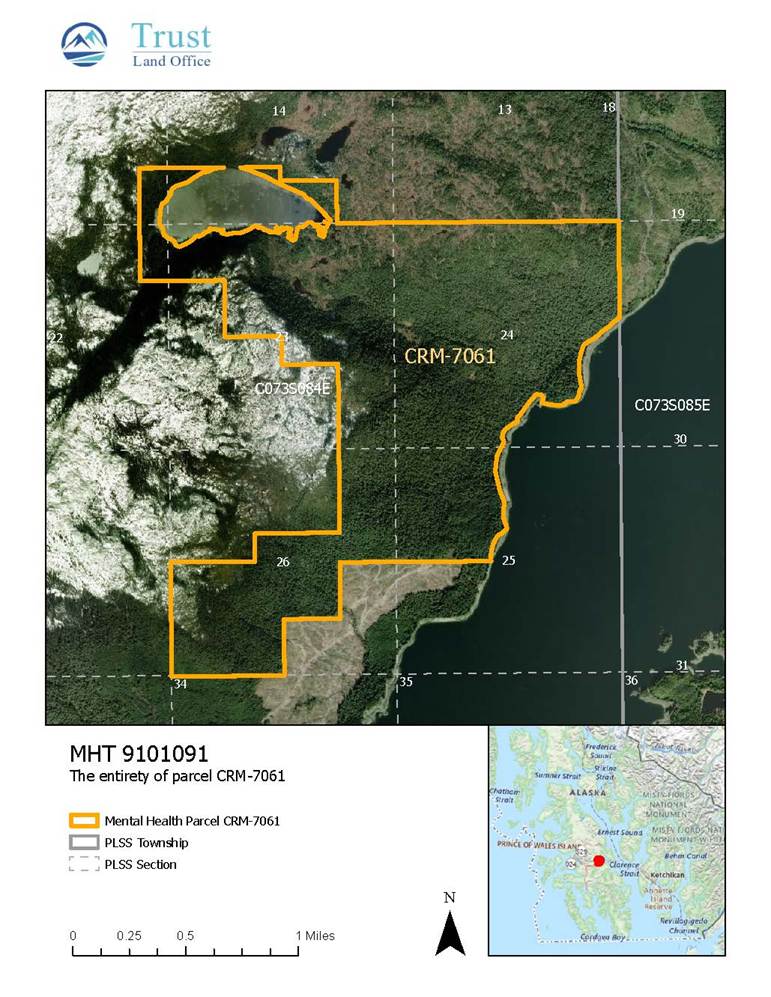
Exhibit 2 – Sample Harvest Market Agreement Contract – click the below link:
Legal Disclaimer:
EIN Presswire provides this news content "as is" without warranty of any kind. We do not accept any responsibility or liability for the accuracy, content, images, videos, licenses, completeness, legality, or reliability of the information contained in this article. If you have any complaints or copyright issues related to this article, kindly contact the author above.
